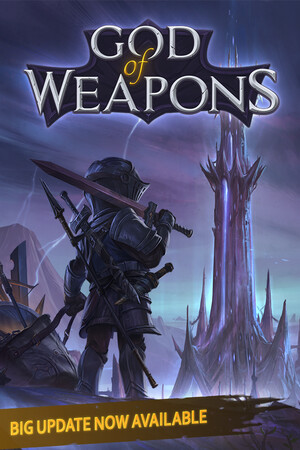
Fast answer
The answer before the background
Reliable god of weapons builds connect four decisions: character rule, primary weapon scaling, inventory geometry and one survival answer. Start with melee, projectile, magic, status, summon or another explicit engine; buy items whose text affects that engine; and preserve shapes that let the relevant weapons touch their adjacency pieces. A large stat total is not a build when attacks cannot reach enemies or the backpack cannot accept the next upgrade.
Build card
Define the engine before ranking shop offers
| Field | Question | Bad signal |
|---|---|---|
| Character | Which perk and restriction change shopping? | The plan ignores a weapon ban or starting penalty. |
| Delivery | Melee sweep, thrust, projectile, magic or summon? | Damage is high but cannot cover the floor. |
| Scaling | Which stat appears on the chosen weapon? | Points are split across unrelated power types. |
| Geometry | Which pieces must be adjacent or aligned? | The bonus cannot physically touch its targets. |
| Survival | Armor, vitality, recovery, movement or control? | The run dies before its scaling becomes useful. |
Named builds
Translate a class perk into a shopping rule
Knight and Eldritch Knight searches should begin with their visible melee, armor and magic relationships rather than a permanent item list. Crusader can support challenge routes that alter ordinary weapon logic. Juggernaut and Butcher ask different questions about durability and damage. King introduces economy decisions; Warlock and Summoner-style searches require checking whether the current version means base status mechanics or DLC summons.
Luck, roll-rate multipliers and Resource Gain affect access and economy, not direct damage in identical ways. A high Luck value does not rescue a layout that misses its primary scaling. Treat economy stats as a budget for future shop quality and compare them with the immediate floor pressure created by delaying combat power.
Validation
Test the package at the same difficulty
Use the Armory training dummy to compare weapons after the free update, but do not convert a stationary target result into a complete tier. Real floors add movement, density, elites and boss windows. Record character, aspect, difficulty, DLC, weapon tiers, set bonuses and key item placement when presenting a build.
A repeatable route must survive average shops. Mark one ideal purchase, two acceptable substitutions and the item that should be banned. If a plan works only when a unique item appears early, call it a high-roll build. The useful guide explains how to pivot without abandoning the chosen scaling language.
FAQ
Common questions
What is the best build?
There is no universal package; the best route matches a character rule, available shop pool, difficulty and floor objective.
What does Luck do for a build?
It belongs to the acquisition and economy layer. Check the current tooltip rather than treating it as a universal damage multiplier.
Should I stack one stat?
Concentrate the primary scaling stat, but keep enough delivery, defense and inventory flexibility for the run to function.
Why did a copied build fail?
Compare version, character aspect, DLC, difficulty, item placement, weapon tiers and shop sequence before blaming one stat.
Sources
What we checked
Official listings establish current availability and product facts. Community pages are used for mechanics and build history, then labeled separately.
- OfficialOfficial Steam listing
- OfficialOfficial Steam announcements
- CommunityCommunity stats reference
- CommunityCommunity weapons scaling table
- CommunityCommunity items and adjacency table